The Square and the Cross
참여작품
〈제3언어〉, 2003, HD, 흑백, 사운드, 14분
〈리서치〉, 2008, HD, 컬러, 사운드, 18분.
〈모순론〉, 2017, 2채널 비디오설치, 컬러, 사운드, 8분
〈유배의 풍경〉, 2025, 4K, 컬러, 사운드, 90분
〈시민 K의 초상〉, 2024, 5채널 비디오설치, HD, 컬러, 사운드, 38분
〈거룩한 성〉, 2026, 4K, 4채널 비디오설치, 컬러/흑백, 사운드, 40분
Foreword excepts (Source: HMK)
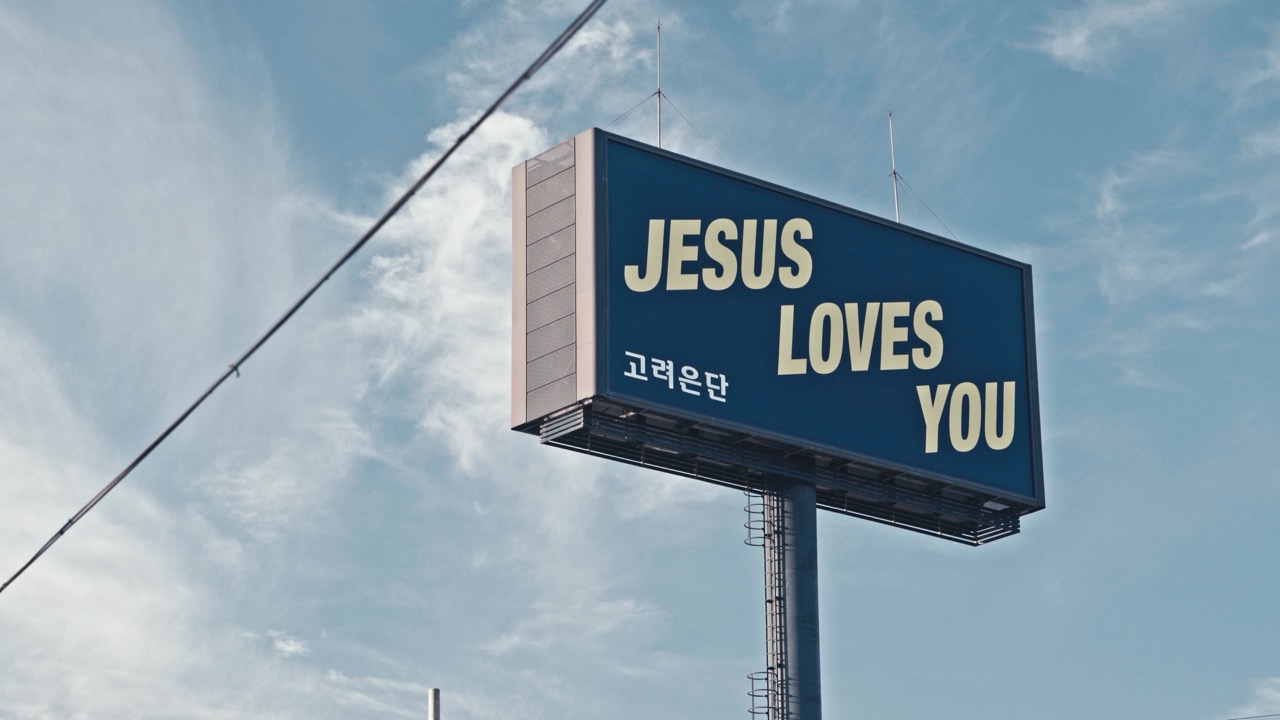
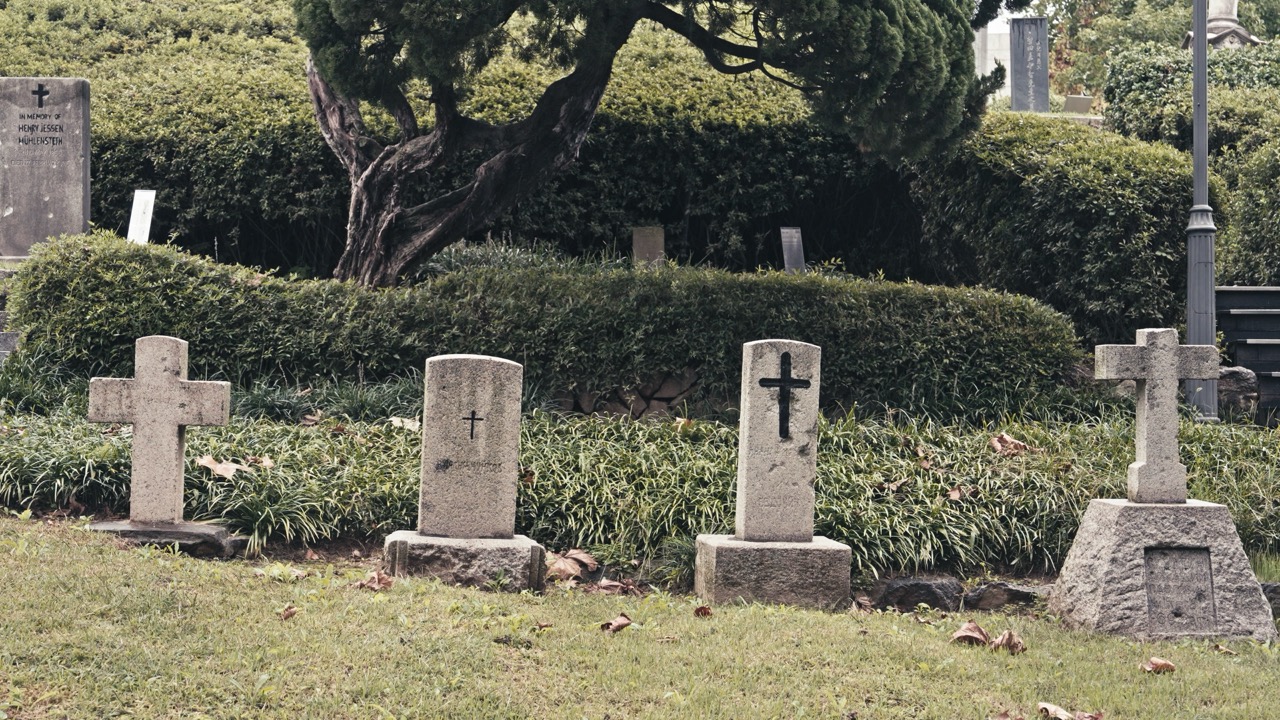
Division and dichotomy, borders and continuous landscapes, are equally central to the work of filmmaker Kwang-Ju Son. The lower galleries, with their intimate, darkened rooms suited to immersive cinematic presentation, host a selection of her work spanning more than twenty years. Son’s practice traverses fiction, documentary, experimental film, and video installation, investigating landscapes shaped by overlapping temporalities and the accumulation of historical, political, and spiritual forces. Her exhibition centers on The Holy City (2026), an essay-film and video installation that critically examines the symbolic and political significance of Christianity in contemporary Korean society. With a particular focus on the Cross as a site of dispersion, the installation attempts to reveal how Christianity has become intertwined with different historical, political, and social forces and how these layers continue to coexist within the contemporary landscape.
Son’s project explores how the Cross evolved from a foreign symbol to become deeply entrenched in the Korean cultural landscape while increasingly moving away from its religious origins. The Holy City seeks to capture those fragile moments where salvation, faith, and enlightenment slip from the spiritual context—distorted, secularized, and repurposed within the ideologies of the modern world.
Across her films, Son returns to a specific haunting portrait: a society of “system-compliant human beings” laboring in quiet devotion toward a future that remains uncertain. These portraits bear no judgment, and are instead fueled by compassion—a tenderness for the world the artist observes. Her work is equally drawn to the way different temporalities bleed into one another: how people carry forward the structures and desires of the past, even as they are pulled, almost against their will, toward a horizon they cannot see. Moving between observation and speculation, Son’s poetic cinematic projects explore how collective affects, beliefs, and memories condense into images and social formations.
출처: e-flux