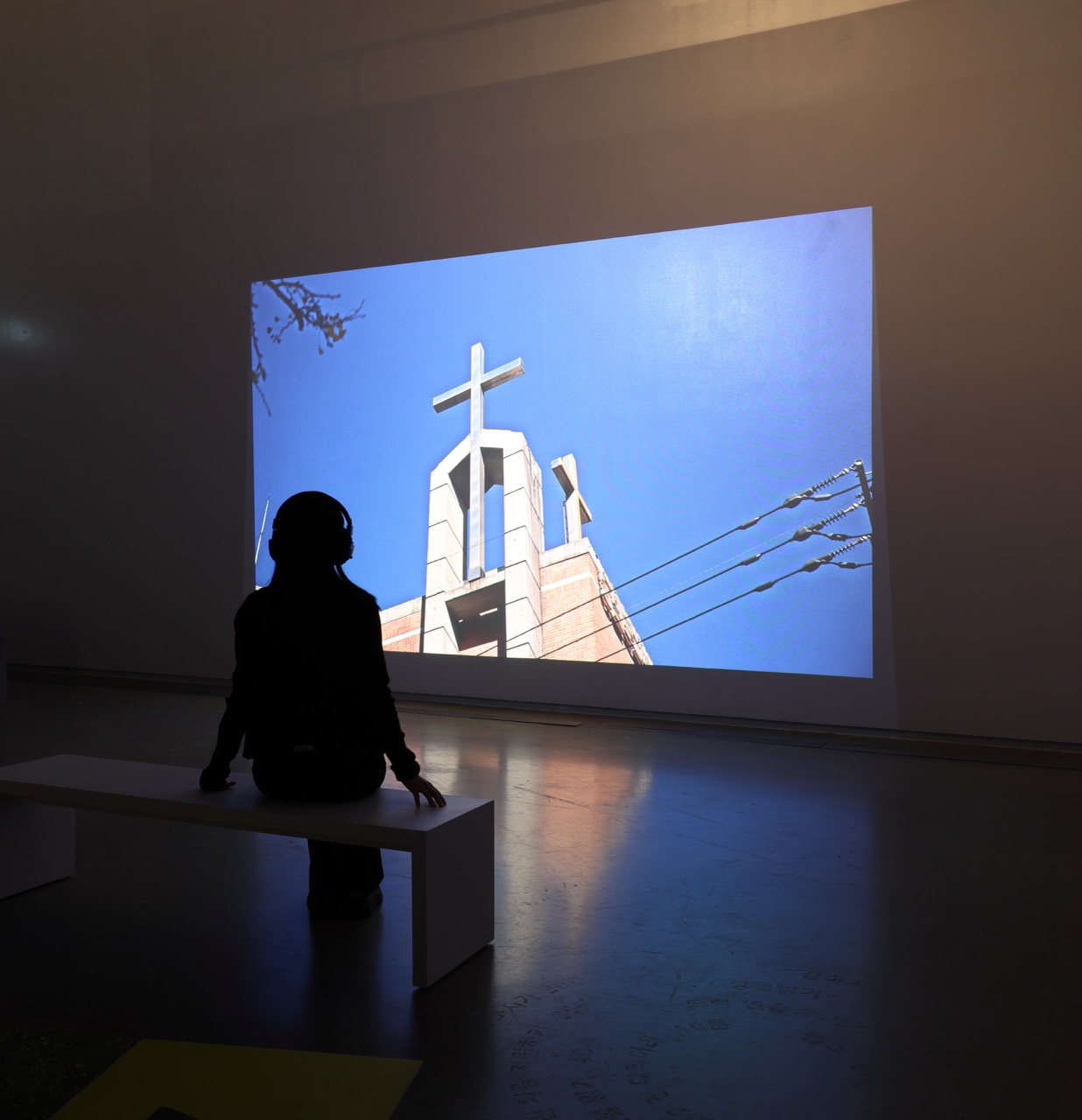
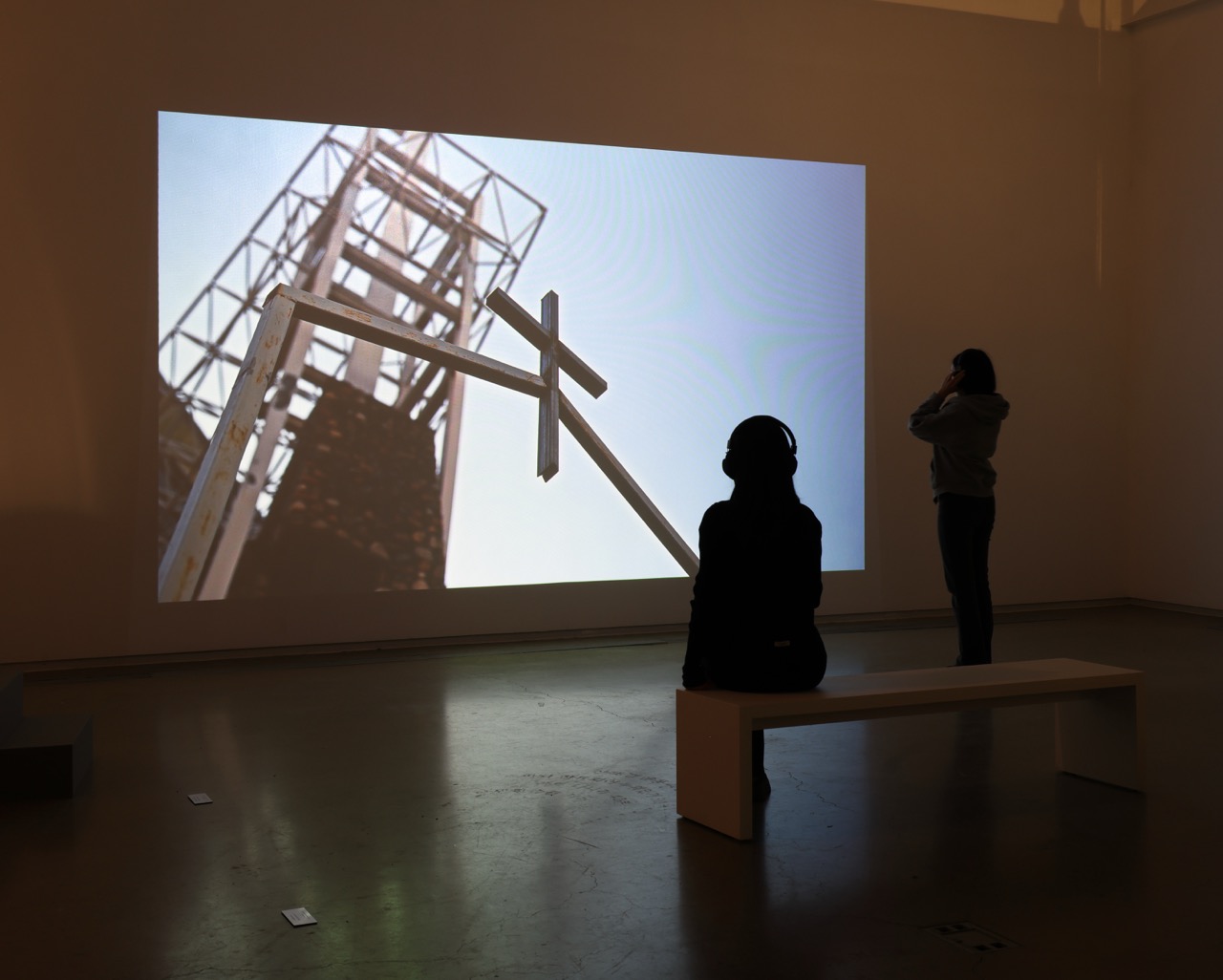
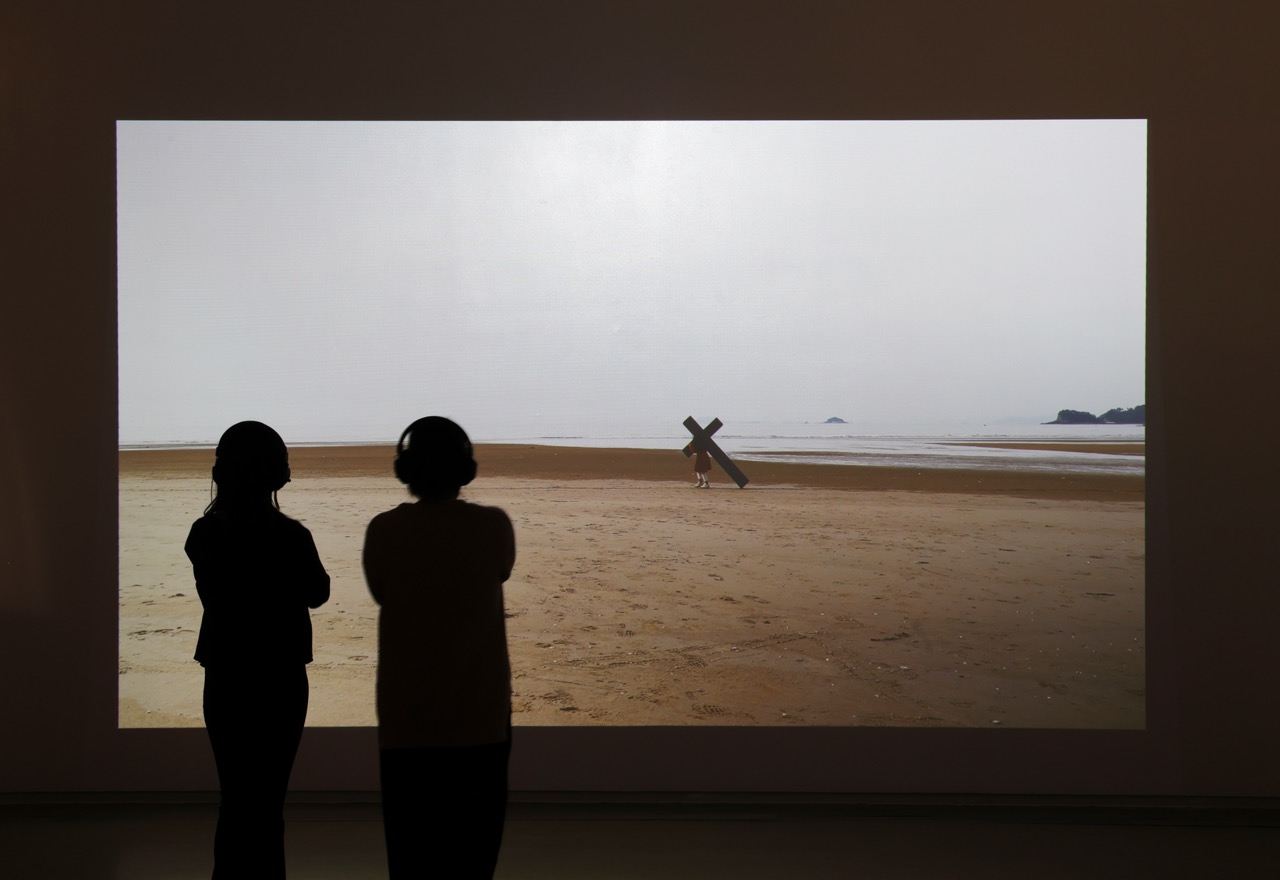
The Holy City(draft) @ Transits of Senses
Foreword (Source: Art Center White Block)
Art Center White Block, in collaboration with the Gyeonggi Cultural Foundation, presents the 2025 Gyeonggi Visual Arts Creation Support Achievement Exhibition Saengsaenghwahwa 生生化化: Transits of Senses. This year, the Gyeonggi Cultural Foundation selected 18 Gyeonggi-based artists through its visual arts creation support program, and their new works are presented respectively at Art Center White Block (Paju) and Suwon Museum of Art Art Space Gwanggyo (Suwon). Through this exhibition, Art Center White Block explores “the recovery and reconstruction of lost senses” through the different ways and attitudes in which the nine participating artists sense the world.
In an era when overflowing information and ultra-high-speed change replace the senses, we understand the world but do not properly feel it. Diverse media and artificial intelligence technologies rapidly deliver vast amounts of information, yet the senses that remain unexperienced lose their presence and gradually fade. In the past we perceived the changing of the seasons through the smell of the air, the angle of sunlight, or the color of leaves; now average temperatures and data in the news take their place. In an age when numbers and data feel more familiar than human senses, the senses are being pushed to the periphery of reality.
Human beings were originally beings who understood by feeling. In slowness and incompleteness, the time of the senses breathed together with the world. Yet today’s world does not wait for human senses. The speed of change overtakes the rhythm of the senses, and in that gap our senses fail to fully join either the world or ourselves, growing fainter. Ultimately, when we come to understand the world only as information, human beings remain beings who “analyze” rather than beings who “live” the world. The senses become severed from their relationship with the world, and our experiences grow increasingly superficial.
Transits of Senses begins from this critical awareness. The senses do not disappear; rather, they reappear in other forms within images, language, bodily movement, and artistic acts. This exhibition seeks ways of “feeling” the world anew in the gaps of that rupture, and explores the new forms in which lost senses re-emerge through art. The participating artists trace the residual echoes of vanished senses and restore, in the language of art, the grain of invisible time, forgotten temperatures, and subtle tactile sensations and rhythms.
We understand the world, yet we do not feel it sufficiently. Vanishing Senses is not a place that mourns the extinction of the senses, but one that prepares the conditions under which the senses can be transferred and rearranged into other forms. It proposes slowing the speed of images and lingering with the changes of light and surface. Through simple acts of walking, passing through, sitting, and looking, viewers receive the world with their bodies. Just as life (生) moves into transformation (化), the senses do not vanish—they transfer from explanation to experience, from the eye to the skin, from data to the body, and return to us once more.